Healthy Lungs for Life is one of the largest ever lung
health campaigns, raising awareness of the importance of healthy lungs to
healthcare professionals, scientists, primary care, patients, policy makers and
the public through a full range of events, projects and promotional activities.
In 2014, the theme is "Breathe clean
air".

Sunday, August 17, 2014
Healthy Lungs for Life 2014 campaign VIDEO
Respiratory Decade is an active supporter of Healthy Lungs for Life 2014!! Today we are presenting Healthy Lungs for Life 2014: preview video!


Sunday, August 10, 2014
Healthy Lungs for Life 2014 campaign in the best traditions of the Year of the Lung 2010
Respiratory Decade joins Healthy Lungs for Life
campaign and will support it actively via our Respiratory blog and our
Respiratory facebook groups and pages!
In 2010 was started very ambitious initiative YEAR OF
THE LUNG. YEAR OF THE LUNG was the most important and the most successful
Respiratory campaign which emphasized the importance of public awareness about
respiratory diseases. Speaking at the European Launch, Professor Nikos Siafakas,
European Respiratory Society President 2010, said that the most respiratory
diseases are both preventable and treatable, treatment however is very costly,
and effective prevention policies in the EU and worldwide are severely
lacking”.
Healthy Lungs for Life is one of the largest ever lung
health campaigns, raising awareness of the importance of healthy lungs to
healthcare professionals, scientists, primary care, patients, policy makers and
the public through a full range of events, projects and promotional activities.
In 2014, the theme is "Breathe clean
air".

In 2014, Healthy Lungs for Life aims to:
- Increase knowledge of the impact of poor air quality on lung health
- Raise awareness of the actions that everyone can take to protect their own lungs from indoor and outdoor air pollution.
Organizers said: We are inviting respiratory professionals and the public from
across the globe to join us in this campaign and we can help you by
providing resources and materials to host your own events. We are also
holding a number of events to coincide with the European Respiratory
Society International Congress 2014 across Munich and at the Congress
centre itself. The more people supporting and taking part in events, the
more powerful the messages will be.

Tuesday, August 5, 2014
NEW Clinical Practice Guideline From the American College of Physicians: Diagnosis of Obstructive Sleep Apnea in Adults 2014
Dear friends today was published A Clinical Practice Guideline From the American College of Physicians: Diagnosis of Obstructive Sleep Apnea in Adults 2014!!!

Description: The
American College of Physicians (ACP) developed this guideline to
present the evidence and provide clinical recommendations on the
diagnosis of obstructive sleep apnea in adults.
Methods: This guideline is based on published literature on this topic that was identified by using MEDLINE (1966 through May 2013), the Cochrane Central Register of Controlled Trials, and the Cochrane Database of Systematic Reviews. Searches were limited to English-language publications. The clinical outcomes evaluated for this guideline included all-cause mortality, cardiovascular mortality, nonfatal cardiovascular disease, stroke, hypertension, type 2 diabetes, postsurgical outcomes, and quality of life. Sensitivities, specificities, and likelihood ratios were also assessed as outcomes of diagnostic tests. This guideline grades the evidence and recommendations by using ACP's clinical practice guidelines grading system.
Recommendation 1: ACP recommends a sleep study for patients with unexplained daytime sleepiness. (Grade: weak recommendation, low-quality evidence)
Recommendation 2: ACP recommends polysomnography for diagnostic testing in patients suspected of obstructive sleep apnea. ACP recommends portable sleep monitors in patients without serious comorbidities as an alternative to polysomnography when polysomnography is not available for diagnostic testing. (Grade: weak recommendation, moderate-quality evidence).
Qaseem A, Dallas P, Owens DK, Starkey M, Holty JC, Shekelle P, et al. Diagnosis of Obstructive Sleep Apnea in Adults: A Clinical Practice Guideline From the American College of Physicians. Ann Intern Med. 2014;161:210-220. doi:10.7326/M12-3187
http://annals.org/article.aspx?articleid=1892620#.U-DiykrFNOg.hootsuite
Sunday, August 3, 2014
AIRWAYS-ICPs - Integrated care pathways for airway diseases: new perspective
Dear Respiratory friends please read about new perspectives with AIRWAYS-ICPs project!
Chronic respiratory diseases are major non-communicable diseases.
Asthma and allergic diseases occur throughout the life
cycle and can begin during pregnancy and
childhood. In Europe, they affect 30 million children and adults under
45 years of
age. Chronic obstructive pulmonary disease
(COPD) has an estimated annual death rate of over 4 million people
globally. Among
the European Union (EU) member states, asthma
accounted for an average of 53 hospital admissions per 100 000
population in
2009, and the average COPD-related admission
rate was 184. The annual direct and indirect costs in the 28 EU countries due to COPD or asthma are estimated at €48 billion and €34
billion, respectively. Chronic respiratory diseases affect active and healthy ageing. Asthma in children or adults is a common risk factor for
COPD in adults.

The aim of AIRWAYS-ICPs is to improve healthy life years
and to reduce burden (emergency visits, avoidable hospitalisations,
disability and costs) while improving quality of
life worldwide, and, in the longer term, to reduce disease incidence by
new
and innovative prevention strategies.
AIRWAYS-ICPs has a clear strategic relevance with regard to the EU Health Strategy as it will bring added value to the existing
public health knowledge:
-
To propose a common framework for chronic respiratory disease (and for comorbidities) ICPs for the entire EU which can then be expanded to other regions (e.g. the Commonwealth of Independent States) and which will allow comparability and trans-national initiatives.
-
To help risk stratification in chronic respiratory disease patients, using a common strategy.
-
To develop cost-effective policies, in particular strengthening those on smoking and environment exposure.
-
To have a significant implication on the health of citizens in the short term (reduction of morbidity, improvement of education in children and of work in adults) and in the long term (healthy ageing).
-
To propose a common simulation tool for the entire EU in order to assist physicians in the segmentation of patients and in the choice of pathways.
 More information was published last week in European Respiratory Journal:et al.Integrated care pathways for airway diseases (AIRWAYS-ICPs) Eur Respir J 2014 44:304-323; published ahead of print 2014, doi:10.1183/09031936.00014614http://erj.ersjournals.com/content/44/2/304.extract?etoc
Saturday, August 2, 2014
Welcome to Annual Summit on Sleep Disorders and Medicine 2015
Dear Respiratory friends today we are happy to invite you on a Great Respiratory event 2015! It is Annual Summit on Sleep Disorders and Medicine 2015 and it is organised by OMICS Group!

OMICS Group invites you to attend the Annual Summit on Sleep Disorders and Medicine popularly known as Sleep Medicine 2015, which is going to be held during August 10th -12th, 2015 at San Francisco, USA.
Sleep Disorders and Sleep Therapy
is a cross-disciplinary area concerned with the psycological and
physical health conditions related to sleep disorders and conventional
and advanced sleep therapies . The main goal of Sleep Medicine 2015 is
to illuminate the gravity of the topic, how it affects our day to day
lives, prevention and stairway to a healthier tomorrow.

Sleep Medicine 2015
scientific sessions focuses on understanding sleep disorders and
sleeping problems, medical conditions associated with sleep disorders,
effect of sleep disorders on the human body, conventional sleep medicine
and sleep therapy and exciting innovations in every area of Sleep
Disorders and Advanced Sleep Therapies. Sleep Medicine 2015 encompasses
the popularly known causes and types of sleep disorders and also reveals
the underlying psychological disorders and other unknown causes for
disrupted sleep patterns. Pediatric sleep disorders throws light upon
the sleep disorders that can affect children and how it effects their
development. Trends in sleep medicine will focus on a variety of medical
and surgical specialties including Neurology, Pulmonary Medicine,
Psychiatry, Otolaryngology, Dentistry Bariatric Surgery and Nutrition.
Sleep
disorders range from insomnia disorder to narcolepsy and
breathing-related disorders to restless legs syndrome. They are
diagnosed through comprehensive assessment, which may entail a detailed
patient history, physical exam, questionnaires and sleep diaries, and
clinical testing. They often are addressed in similarly comprehensive
ways involving behavioral, pharmacologic and other treatments in
combination with medical care.
Annual Summit on Sleep Disorders and Medicine, will be organized around the theme "Medical conditions related to sleep disorders and advanced sleep therapy."
Sleep Medicine 2015 is
comprised of 10 tracks and 48 sessions designed to offer comprehensive
sessions that address current issues in Pharmaceutical Regulatory
Affairs.
Submit your abstract to any of the following tracks:
http://sleepmedicine.conferenceseries.net/call-for-abstracts.php
All related abstracts are accepted.

The Annual Summit on Sleep Disorders and Medicine will
schedule and coordinate all meetings with our Editorial Board across
the World. The scientific program paves a way to gather visionaries
through the research talks and presentations and put forward many
thought provoking information and therapeutic techniques related to
Sleep Disorders.
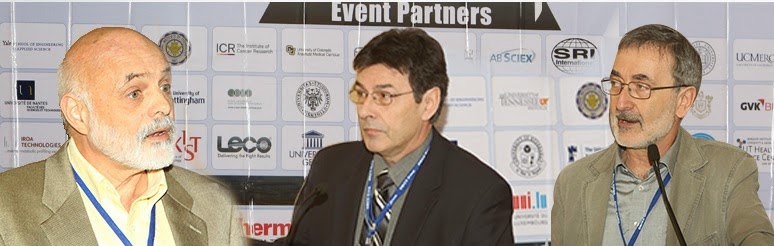
The main aim of Sleep Medicine 2015 is to bring awareness amongst the
people about the effect of sleep disorders on health, daily routine and
lives, Symptoms people normally ignore diseases that can lead to sleep
disorders, prevention and therapeutic techniques.
We look forward to seeing you in San Francisco!!
Thursday, July 31, 2014
World Lung Cancer Day 2014
Dear Respiratory Friends today is a World Lung Cancer Day 2014!
Please mark your calendar for August 1, 2014, the 3rd annual World Lung Cancer Day!
Join in to Celebrate, Commemorate and Support all those affected by the #1 Cancer Killer.

Lung
Cancer, often referred to as the “Invisible Disease”, is generally
asymptomatic and often goes undetected or misdiagnosed, while advancing
to a late incurable stage. Only 15% of patients diagnosed in the late
stages will survive 5 years.
Although
early detection screening has been a topic of great concern and study,
the guidelines established by the American Cancer Society, continue to
leave a large percent of the population ineligible for screening. Anyone
can get Lung cancer.
Widely
portrayed and publicized as a “Smokers Disease”, over 60% of newly
diagnosed patients are never smokers or quit years ago .An increasing
amount of young non-smoking women are being diagnosed. Anyone with lungs
can get Lung Cancer.
Lung
Cancer is the #1 cancer killer in the U.S., claiming 160,000 lives
annually. This is nearly 10 times the amount of lives lost to AIDS (
18,000 annually) . Lung cancer claims more lives than breast, colon,
kidney, and melanoma cancers ...combined.
This year, Lung Cancer will kill twice as many women as Breast Cancer.
Lung Cancer receives less research funding (per death) than any other type of cancer.
Radon,
asbestos, diesel, poor air quality, environmental pollutants, chemical
toxicity, occupational exposures, genetics, - are all known factors that
contribute to causing Lung Cancer. Anyone that breathes, can get Lung
Cancer.
The first question most
Lung Cancer Patients are asked is “Did You Smoke?". The public
perception that Lung cancer is a smoker’s disease, the
“blame-the-victim” mentality and the overall stigma attached to this
disease, far too often denies Lung cancer patients the support and
compassion afforded other cancers and major diseases.
Lung
cancer patients face the same physical, emotional and financial
hardships as any other cancer. They battle the same fears, depression,
losses and grueling treatments. Yet those battling receive minimal
recognition and support from our society. Lung Cancer is bad-Its victims
are not. Like AIDS, Alcoholism, Obesity, Drug abuse and a myriad of
diseases that can be “rooted in causes” Lung cancer Patients and
Caregivers deserve support, not shame and blame.
World Lung Cancer Day is a day to Celebrate, Commemorate & Support the people affected by Lung Cancer.
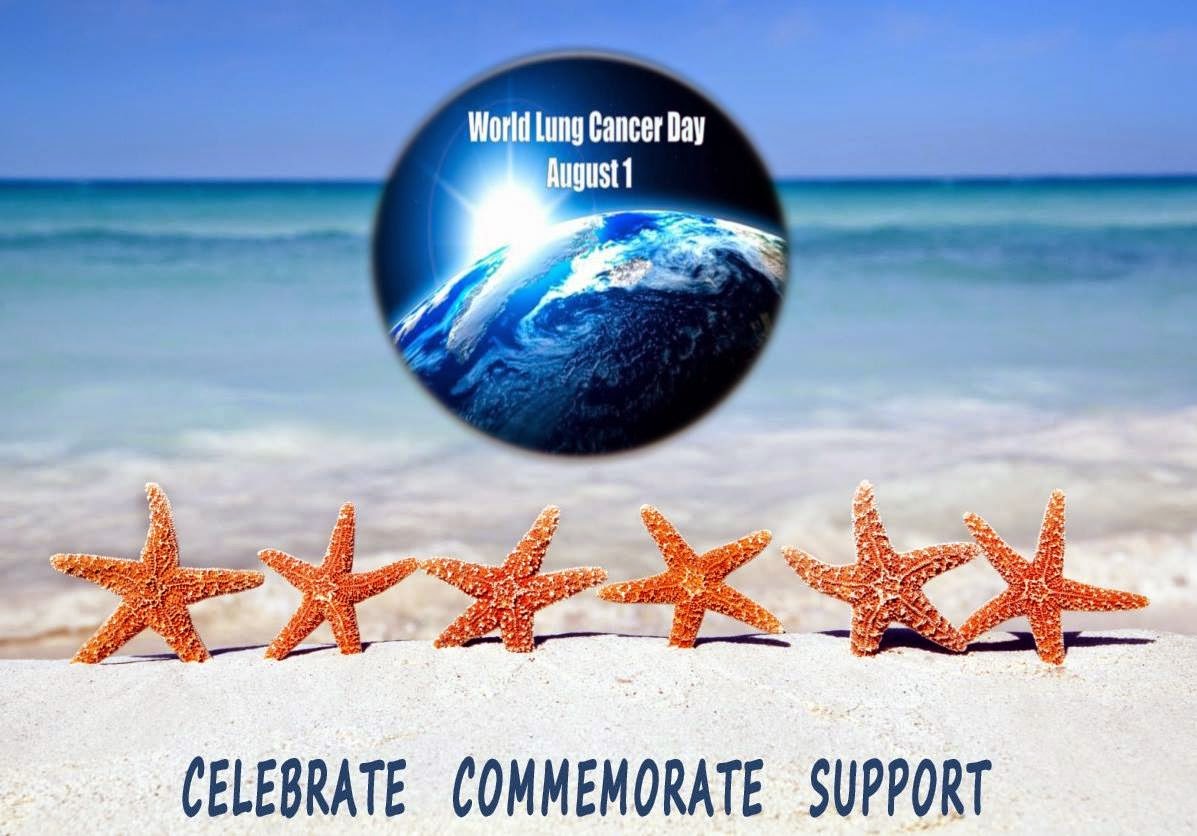
Our Voice is being heard around the World, from prominent Cancer Centers to Lung Cancer Organizations & groups...But most especially, in events held to honor the people of lung cancer.
World Lung Cancer Day is recorded in Chase's Worldwide Calendar of Events (The #1 global reference source, used by News & Media for holidays & events) as an annual day of Observance for all those affected by and lost to Lung Cancer worldwide.
WLCD is an initiative driven by the People of Lung Cancer, with no Political or Organizational affiliations or global boundaries.
23+ Official Proclamations declaring August 1,WLCD have been issued in USA States & Cities. Events, vigils, Memorials, community gatherings & celebrations are being held. Social media, newspapers & magazines are promoting WLCD. Worldwide cancer centers, health groups & organizations recognize & celebrate World Lung Cancer Day-August 1.
Wednesday, July 30, 2014
2013 Journal Citation Reports released
2013 Journal Citation Reports released!!!
Journal Citation Reports (JCR) is a resource that
allows you to evaluate and compare journals using citation data drawn
from almost 11,000 scholarly and technical journals from nearly 2,500
publishers in over 80 countries. It includes virtually all areas of the
sciences. Journal Citation Reports can show you the:
- Most frequently cited journals in a field
- Highest impact journals in a field
- Largest journals in a field.
Citation and article counts are indicators of how frequently current
researchers are using individual journals. The 2013 citation data is available as the 2014 Release of Journal Citation Reports on July 29, 2014.

The recognized authority for evaluating journals, JCR presents quantitative data that supports a systematic, objective review of the world’s leading journals. Using a combination of impact and influence metrics, and millions of cited and citing journal data points that comprise the complete journal citation network of Web of Science™, JCR provides the context to understand a journal’s true place in the world of scholarly literature.

Please go to below link- and then go to the section "Journal Citation Report". You can find there 2013 IFs for any Journal.
Subscribe to:
Posts (Atom)