Showing posts with label sleep apnea. Show all posts

Friday, February 23, 2018

Impact of obstructive sleep apnea on chronic obstructive pulmonary disease: prospective, consecutive study

What is not known yet, about the topic
Coexistent chronic obstructive pulmonary disease (COPD) and obstructive sleep apnea (OSA) are insufficiently studied in terms of prevalence, frequency and spectrum of complications, health risks and impact on quality of life.
https://www.researchgate.net/publication/323289116_Impact_of_obstructive_sleep_apnea_on_chronic_obstructive_pulmonary_disease_prospective_consecutive_study
Research hypothesis
Certain clinical and demographic parameters or data obtained from nocturnal polysomnography can have significant predictive value for overlap syndrome, induced by coexistent obstructive sleep apnea and chronic obstructive pulmonary
disease.
Article’s added novelty on this scientific topic
It was established that increased body mass index and high Epworth sleepiness score have significant predictive value for coexistent OSA and COPD.

Thursday, June 8, 2017

To sleep, or not to sleep – that is the question, for polysomnography (Free full text from Breathe)

As the English dramatist Thomas Dekker wrote, “Sleep is that golden chain that ties health and our bodies together”. One of the most frequently sleep-related disorders (SRD) is obstructive sleep apnoea syndrome (OSAS). OSAS is a relatively “young” disease and at the same time, one of the most important respiratory conditions discovered in the last 50 years due to its incidence, prevalence, health-related impact on the patient’s life and economic burden.
http://breathe.ersjournals.com/content/13/2/137

Nevertheless, 50 years is still a large amount of time and our understanding of OSAS has grown significantly over these years. The first reports discussed how to diagnose this rare condition. Later, it was demonstrated that the disease itself is not that rare and is extremely underdiagnosed. This was only the tip of the iceberg, since it was furthermore discovered that OSAS is linked to multiple comorbidities and is a major healthcare problem. Now, we are moving further forward, and discussing more efficient ways to diagnose and manage this condition.
Free full text:

Friday, March 3, 2017

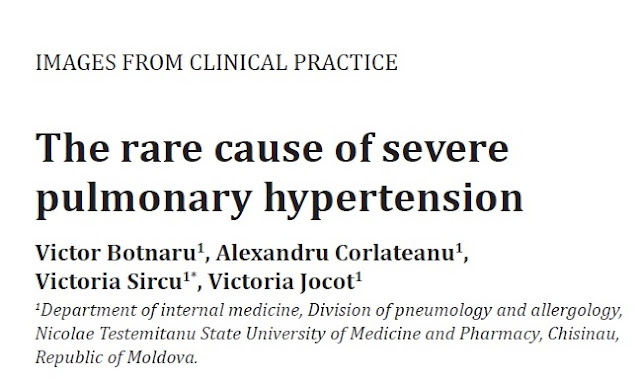
The rare cause of Severe Pulmonary Hypertension (free full text from 2017 Moldovan Journal of Health Sciences)


Female patient, aged 57, retired, non-smoking, presents dyspnea on exertion, at minimal effort, chronic severe fatigue, daytime sleepiness, insomnia, broken sleep associated with snoring and apneas, nocturia (2-3 times/night), morning headaches and xerostomia, periodic pain in the periumbilical region. 
https://www.researchgate.net/publication/314185866_The_rare_cause_of_severe_pulmonary_hypertension

From history: juvenile obesity (100 kg), hypertensive since the age of 50, presents sleep disturbances and noisy snoring for over 10 years. The physical examination reveals dry skin, mild inferior limbs edema, acrocyanosis (lips, legs), obesity with the BMI = 47 kg/m2 (m=118 kg, h=154 cm), neck girth = 43 cm, abdominal circumference = 140 cm, umbilical hernia 3x4 cm, free nasal breathing, diminished vesicular sounds, stable hemodynamics (HR= 68/min; BP= 130/80 mmHg), Mallampati score III and17 points on the Epworth Sleepiness Scale.
Chest X-ray was normal, ECG revealed signs of right ventricular strain. The EcoCG revealed slight dilation of both atria (up to 56 mm) with the left ventricle of normal dimensions and preserved ejection fraction (50%), severe right ventricle (RV) dilatation (46 mm) and severe pulmonary hypertension (pulmonary artery systolic pressure 80 mm Hg). SpO2 at rest is 95%. Spirometric and blood gazes values are as follows FEV1-81%; FVC-80%; FEV1/FVC-109%, pH 7,43; PaO2 96 mm Hg; PaCO2 44 mm Hg.
Questions:
  Considering the anamnestic data and the physical examination, which are the probable causes of pulmonary hypertension?
  What tests do you suggest for confirmation?

https://www.researchgate.net/publication/314185866_The_rare_cause_of_severe_pulmonary_hypertensionWhich treatment is the most suitable?

https://www.researchgate.net/publication/314185866_The_rare_cause_of_severe_pulmonary_hypertension
  Free full text is HERE!

Saturday, March 12, 2016

Continuous Positive Airway Pressure: Life-Saving Technology (full text from Current Respiratory Medicine Reviews)

Dear friends World Sleep Day 2016 is under corner (18 March 2016)!
World Sleep Day is an annual event, intended to be a celebration of sleep and a call to action on important issues related to sleep, including medicine, education, social aspects and driving. It is organized by the World Sleep Day Committee of the World Association of Sleep Medicine (WASM) and aims to lessen the burden of sleep problems on society through better prevention and management of sleep disorders.
The obstructive sleep apnea syndrome (OSAS) remains a common diagnosis made by pulmonary practitioners. OSAS is a common respiratory disorder affecting at least 2% to 4% of the adult population. The mainstay of treatment of moderate and severe OSAS is continuous positive airway pressure (CPAP). The development of this therapeutic intervention in 1981 by Sullivan, stimulated the rapid progression of sleep testing and therapy as a new field in medicine.
https://www.researchgate.net/publication/297200310_Continuous_Positive_Airway_Pressure_Life-Saving_Technology
Full text from Current Respiratory Medicine Reviews:

Tuesday, January 12, 2016

Pneumologia - Journal of the Romanian Society of Pulmonology: Predictors of daytime sleepiness in patients with obstructive sleep apnea

http://www.pneumologia.eu/US/sumar-443.html

Background. The main symptomatic criterion to diagnose obstructive sleep apnea (OSA) is the level of daytime sleepiness. The Epworth Sleepiness Scale is a simple, self-administered questionnaire which provides a measurement of the subject’s general level of daytime sleepiness.
The aim of this study was to investigate the factors that can predict daytime sleepiness in patients with sleep apnea.
Conclusion. The desaturation index showed the
strongest correlation with the Epworth scale. According to the results of the backward stepwise multiple regression and logistic regression, the predictors for the level of daytime sleepiness are oAHI and index of desaturation. According to the analysis of the ROC curve, desaturation index is a predictor of a high specificity.
on researchgate:
https://www.researchgate.net/publication/283490885_Predictors_of_daytime_sleepiness_in_patients_with_obstructive_sleep_apnea

Monday, January 4, 2016

New rules on driver licensing for patients with obstructive sleep apnea: European Union Directive 2014/85/EU

The widespread recognition that obstructive sleep apnea (OSA) represents an important risk factor for motor vehicle accidents, which is reversed by successful therapy with continuous positive airway pressure (CPAP), has led to a revision of Annex III of the European Union (EU) Directive on Driving Licences. This directive was the result of recommendations from a Working Group established by the Transport and Mobility Directorate of the European Commission in 2012 (McNicholas, 2013). 
http://onlinelibrary.wiley.com/doi/10.1111/jsr.12379/pdf

The new Directive, which is subject to mandatory implementation by all Member States from 31 December 2015, states:
‘Applicants or drivers in whom a moderate or severe obstructive sleep apnea syndrome is suspected shall be referred to further authorised medical advice before a driving licence is issued or renewed. They may be advised not to drive until confirmation of the diagnosis. Driving licences may be issued to applicants or drivers with moderate or severe obstructive sleep apnea syndrome  who show adequate control of their condition and compliance with appropriate treatment and improvement of sleepiness, if any, confirmed by authorised medical opinion. Applicants or drivers with moderate or severe obstructive sleep apnea syndrome under treatment shall be subject to a periodic medical review, at intervals not exceeding 3 years for drivers of group 1 (i.e. non-commercial drivers) and 1 year for drivers of group 2 (i.e. commercial drivers), with a view to establish the level of compliance with the treatment, the need for continuing the treatment and continued good vigilance.’
fulltext:
 

Friday, January 1, 2016

2016 Guidelines: obstructive sleep disordered breathing in 2- to 18-year-old children: diagnosis and management

Today in ERJ was published European Respiratory Society on the diagnosis and management of obstructive sleep disordered breathing in childhood!
http://erj.ersjournals.com/content/47/1/69?etoc
This document summarises the conclusions of a European Respiratory Society Task Force on the diagnosis and management of obstructive sleep disordered breathing (SDB) in childhood and refers to children aged 2–18 years. Prospective cohort studies describing the natural history of SDB or randomised, double-blind, placebo-controlled trials regarding its management are scarce. Selected evidence (362 articles) can be consolidated into seven management steps. SDB is suspected when symptoms or abnormalities related to upper airway obstruction are present (step 1). Central nervous or cardiovascular system morbidity, growth failure or enuresis and predictors of SDB persistence in the long-term are recognised (steps 2 and 3), and SDB severity is determined objectively preferably using polysomnography (step 4). Children with an apnoea–hypopnoea index (AHI) >5 episodes·h−1, those with an AHI of 1–5 episodes·h−1 and the presence of morbidity or factors predicting SDB persistence, and children with complex conditions (e.g. Down syndrome and Prader–Willi syndrome) all appear to benefit from treatment (step 5). Treatment interventions are usually implemented in a stepwise fashion addressing all abnormalities that predispose to SDB (step 6) with re-evaluation after each intervention to detect residual disease and to determine the need for additional treatment (step 7).
Fulltext:

Wednesday, December 16, 2015

HOT TOPIC ISSUE OF CURRENT RESPIRATORY MEDICINE REVIEWS: SLEEP APNEA AND COMORBIDITIES

Dear Respiratory friends today online is appearing
Current Respiratory Medicine Reviews, Volume 11 - Number 4 - See more at: http://benthamscience.com/journals/current-respiratory-medicine-reviews/volume/11/issue/4/#sthash.EB2jbZQb.dpuf

our proposed hot-topic issue of Current Respiratory Medicine Reviews, Volume 11, Number 4: is an update on the assessment of the main comorbidities and management of patients with OSAS and comorbidities (hypertension, obesity, diabetes, stroke, heart failure, COPD, chronic kidney disease).
Guest Editor: Alexandru Corlateanu
Editor-in-Chief: Joseph Varon
9 articles + Editorial from Guest Editor! 
https://www.facebook.com/events/1204170916263803/
1. Alexandru Corlateanu. Editorial from Guest Editor: Current Management of Sleep Apnea and Comorbidities


Editorial from Guest Editor: Current Management of Sleep Apnea and Comorbidities - See more at: http://benthamscience.com/journals/current-respiratory-medicine-reviews/volume/11/issue/4/#sthash.EB2jbZQb.dpuf
Editorial from Guest Editor: Current Management of Sleep Apnea and Comorbidities - See more at: http://benthamscience.com/journals/current-respiratory-medicine-reviews/volume/11/issue/4/#sthash.EB2jbZQb.dpufOana Claudia Deleanu, Ana-Maria Nebunoiu, Miruna Mihaela Micheu, Andra Elena Malaut and Florin Dumitru Mihaltan.2. Oana Claudia Deleanu, Ana-Maria Nebunoiu, Miruna Mihaela Micheu, Andra Elena Malaut and Florin Dumitru Mihaltan.
Relation between Obstructive Sleep apnea Syndrome and Resistant Hypertension - the Tip of the Iceberg
3. Victoria Chatzimavridou Grigoriadou, Alexander Mathioudakis, Alexandru Corlateanu, George Mathioudakis, Efstathia Evangelopoulou.
Obstructive Sleep Apnea and Hypertension: A Bidirectional Causal Relation
4. Stefan Mihaicuta, Izabela Anita Toth, Sorin Paralescu, Carmen Ardelean, Stefan Marian Frent and Oana Claudia Deleanu
Obesity and Body fat Distribution as Predictors for Obstructive Sleep Apnea Syndrome
5. Marius Balint Gib, Christophe Aron, Svetlana Ilie, Frederic Wallyn, Macha Tetart, Dumitrita Balint Gib.
The links between Sleep Apnea and Chronic Kidney Disease
6. Mastrodima-Polychroniou Sofia, Panoulis Konstantinos.
Pregnancy and Sleep Apnea
7. Alexandru Corlateanu, Victor Botnaru, Victoria Sircu, Serghei Covantev, Gloria Montanari.
Obstructive Sleep Apnea and Type 2 Diabetes: Dual Interaction
8. Andriana Papaioannou, Konstantinos Kostikas, Spyros Papiris.
Sleep Apnea and Coronary Heart Disease: from Dusk Till Dawn and Further
9. Silvia V. Dumitru, Epameinondas N Kosmas.
Stroke as a Consequence of Sleep Apnea: Epidemiology, Pathophysiology and Treatment Strategies
10. Alexandru Corlateanu, Victor Botnaru, Alexander G. Mathioudakis, Victoria Sircu, Nikos Siafakas.
Overlap Syndrome of Chronic Obstructive Pulmonary Disease and Obstructive Sleep Apnoea: A two-faced Janus

http://benthamscience.com/journals/current-respiratory-medicine-reviews/volume/11/issue/4/

Tuesday, December 15, 2015

Predictors of daytime sleepiness in patients with obstructive sleep apnea (fulltext from Pneumologia)


https://www.researchgate.net/publication/283490885_Predictors_of_daytime_sleepiness_in_patients_with_obstructive_sleep_apnea
Background. The main symptomatic criterion to diagnose obstructive sleep apnea (OSA) is the level of daytime sleepiness. The Epworth Sleepiness Scale is a simple, self-administered questionnaire which provides a measurement of the subject’s general level of daytime sleepiness.
The aim of this study was to investigate the factors that can predict daytime sleepiness in patients with sleep apnea.
Methods. 50 consecutive patients with obstructive
sleep apnea were enrolled into the study. Age, gender, anthropometric and polygraphic data were
thoroughly analyzed. In all subjects daily sleepiness was assessed by Epworth Sleepiness Scale.
Results. The mean age of the subjects was 54.7±12.8 years, 82% males. The mean BMI was 31.9±6 kg/m2. Pearson correlation coefficient analysis demonstrates a significant positive correlation between the Epworth Sleepiness Scale and the desaturation index (r=0.31, p<0.01) and arterial hypertension (r=0.32, p<0.01). The forward stepwise regression analysis shows that the apnea hypopnea index and desaturation index are important predictors of daytime sleepiness in patients with obstructive sleep apnea which explains 40% of the Epworth Sleepiness Scale score.
Conclusion. The desaturation index showed the
strongest correlation with the Epworth scale. According to the results of the backward stepwise multiple regression and logistic regression, the predictors for the level of daytime sleepiness are oAHI and index of desaturation. According to the analysis of the ROC curve, desaturation index is a predictor of a high specificity.
fulltext:

Friday, November 6, 2015

Obstructive sleep disordered breathing in 2–18 year-old children: diagnosis and management

The ERS Task Force on the Diagnosis and Management of Obstructive Sleep-Disordered Breathing (SDB) in Childhood has published a new document detailing a stepwise management approach for SDB in children aged 2–18.
The seven-step management approach covers topics such as reported symptoms, morbidities, treatment indications and follow-up evaluations. The document also takes into account the available diagnostic facilities and accepted treatment policies in different European countries, describing diagnostic modalities that can be used as alternatives for settings where polysomnography is not available.
http://erj.ersjournals.com/content/early/2015/11/05/13993003.00385-2015?utm_source=ERS+newsletter&utm_campaign=ed0dc225f7-ER_Weekly_week_45&utm_medium=email&utm_term=0_372fc3467c-ed0dc225f7-35104157
This document summarises the conclusions of a European Respiratory Society Task Force on the diagnosis and management of obstructive sleep disordered breathing (SDB) in childhood and refers to children aged 2–18 years. Prospective cohort studies describing the natural history of SDB or randomised, double-blind, placebo-controlled trials regarding its management are scarce. Selected evidence (362 articles) can be consolidated into seven management steps. SDB is suspected when symptoms or abnormalities related to upper airway obstruction are present (step 1). Central nervous or cardiovascular system morbidity, growth failure or enuresis and predictors of SDB persistence in the long-term are recognised (steps 2 and 3), and SDB severity is determined objectively preferably using polysomnography (step 4). Children with an apnoea–hypopnoea index (AHI) >5 episodes·h−1, those with an AHI of 1–5 episodes·h−1 and the presence of morbidity or factors predicting SDB persistence, and children with complex conditions (e.g. Down syndrome and Prader–Willi syndrome) all appear to benefit from treatment (step 5). Treatment interventions are usually implemented in a stepwise fashion addressing all abnormalities that predispose to SDB (step 6) with re-evaluation after each intervention to detect residual disease and to determine the need for additional treatment (step 7).
Link:

Saturday, October 31, 2015

CURRENT RESPIRATORY MEDICINE REVIEWS - SLEEP APNEA AND COMORBIDITIES: Stroke as a Consequence of Sleep Apnea: Epidemiology, Pathophysiology and Treatment Strategies

We are happy to present you one of the articles from hot-topic issue of Current Respiratory Medicine Reviews dedicated to Sleep Apnea and comorbidities: Stroke as a Consequence of Sleep Apnea: Epidemiology, Pathophysiology and Treatment Strategies written by our friends from Greece: Silvia V. Dumitru and Epameinondas N Kosmas.
http://benthamscience.com/journals/current-respiratory-medicine-reviews/article/134968/ 
Abstract of the article:
This proposed hot-topic issue of Current Respiratory Medicine Reviews is an update on the assessment of the main comorbidities and management of patients with OSAS and comorbidities (hypertension, obesity, diabetes, stroke, heart failure, COPD, chronic kidney disease). 
https://www.facebook.com/events/1204170916263803/

CURRENT RESPIRATORY MEDICINE REVIEWS - SLEEP APNEA AND COMORBIDITIES: The links between Sleep Apnea and Chronic Kidney Disease

We are happy to present you one of the articles from hot-topic issue of Current Respiratory Medicine Reviews dedicated to Sleep Apnea and comorbidities: The links between Sleep Apnea and Chronic Kidney Disease written by international team: Marius Balint Gib, Christophe Aron, Svetlana Ilie, Frederic Wallyn, Macha Tetart, Dumitrita Balint Gib.
http://benthamscience.com/journals/current-respiratory-medicine-reviews/article/134970/

Abstract of the article:
This proposed hot-topic issue of Current Respiratory Medicine Reviews is an update on the assessment of the main comorbidities and management of patients with OSAS and comorbidities (hypertension, obesity, diabetes, stroke, heart failure, COPD, chronic kidney disease). 
https://www.facebook.com/events/1204170916263803/

Friday, October 30, 2015

CURRENT RESPIRATORY MEDICINE REVIEWS - SLEEP APNEA AND COMORBIDITIES: Overlap Syndrome of Chronic Obstructive Pulmonary Disease and Obstructive Sleep Apnoea: A two-faced Janus

We are happy to present you one of the articles from hot-topic issue of Current Respiratory Medicine Reviews dedicated to Sleep Apnea and comorbidities: Overlap Syndrome of Chronic Obstructive Pulmonary Disease and Obstructive Sleep Apnoea: A two-faced Janus  written by our team: Alexandru Corlateanu, Victor Botnaru, Alexander G. Mathioudakis, Victoria Sircu, Nikos Siafakas.
http://benthamscience.com/journals/current-respiratory-medicine-reviews/article/134969/

Abstract of the article:
This proposed hot-topic issue of Current Respiratory Medicine Reviews is an update on the assessment of the main comorbidities and management of patients with OSAS and comorbidities (hypertension, obesity, diabetes, stroke, heart failure, COPD, chronic kidney disease). 
https://www.facebook.com/events/1204170916263803/

Thursday, October 29, 2015

CURRENT RESPIRATORY MEDICINE REVIEWS - SLEEP APNEA AND COMORBIDITIES: Pregnancy and Sleep Apnea

We are happy to present you one of the articles from hot-topic issue of Current Respiratory Medicine Reviews dedicated to Sleep Apnea and comorbidities: Pregnancy and Sleep Apnea  written by our friends from Greece  Mastrodima-Polychroniou Sofia and Panoulis Konstantinos.
http://benthamscience.com/journals/current-respiratory-medicine-reviews/article/134965/

Abstract of the article:
This proposed hot-topic issue of Current Respiratory Medicine Reviews is an update on the assessment of the main comorbidities and management of patients with OSAS and comorbidities (hypertension, obesity, diabetes, stroke, heart failure, COPD, chronic kidney disease). 
https://www.facebook.com/events/1204170916263803/

Wednesday, October 28, 2015

CURRENT RESPIRATORY MEDICINE REVIEWS - SLEEP APNEA AND COMORBIDITIES: Obesity and Body fat Distribution as Predictors for Obstructive Sleep Apnea Syndrome

We are happy to present you one of the articles from hot-topic issue of Current Respiratory Medicine Reviews dedicated to Sleep Apnea and comorbidities: Obesity and Body fat Distribution as Predictors for Obstructive Sleep Apnea Syndrome written by our friends from Romania  Stefan Mihaicuta, Izabela Anita Toth, Sorin Paralescu, Carmen Ardelean, Stefan Marian Frent and Oana Claudia Deleanu.
http://benthamscience.com/journals/current-respiratory-medicine-reviews/article/134907/
Abstract of the article:
This proposed hot-topic issue of Current Respiratory Medicine Reviews is an update on the assessment of the main comorbidities and management of patients with OSAS and comorbidities (hypertension, obesity, diabetes, stroke, heart failure, COPD, chronic kidney disease). 
https://www.facebook.com/events/1204170916263803/

Tuesday, October 27, 2015

CURRENT RESPIRATORY MEDICINE REVIEWS - SLEEP APNEA AND COMORBIDITIES: Sleep Apnea and Coronary Heart Disease: from Dusk Till Dawn and Further

We are happy to present you one of the articles from hot-topic issue of Current Respiratory Medicine Reviews dedicated to Sleep Apnea and comorbidities: Sleep Apnea and Coronary Heart Disease: from Dusk Till Dawn and Further written by our friends from Greece Andriana Papaioannou, Konstantinos Kostikas, Spyros Papiris.
http://benthamscience.com/journals/current-respiratory-medicine-reviews/article/134967/

Abstract of the article:
This proposed hot-topic issue of Current Respiratory Medicine Reviews is an update on the assessment of the main comorbidities and management of patients with OSAS and comorbidities (hypertension, obesity, diabetes, stroke, heart failure, COPD, chronic kidney disease). 
https://www.facebook.com/events/1204170916263803/

Monday, October 26, 2015

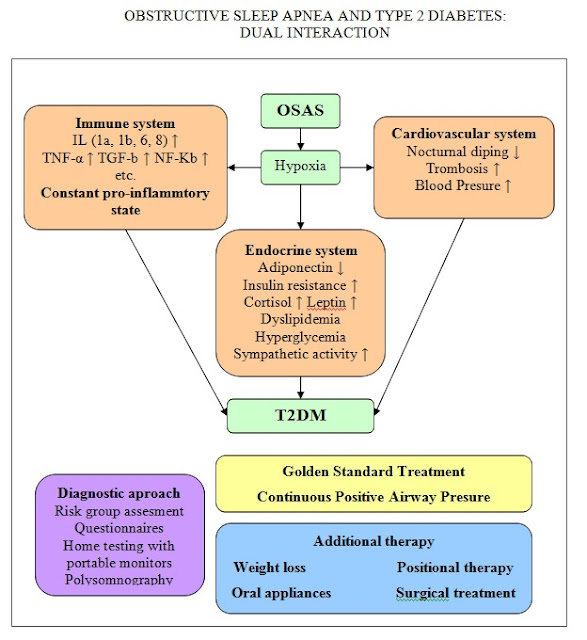
CURRENT RESPIRATORY MEDICINE REVIEWS - SLEEP APNEA AND COMORBIDITIES: Obstructive Sleep Apnea and Type 2 Diabetes: Dual Interaction

We are happy to present you one of the articles from hot-topic issue of Current Respiratory Medicine Reviews dedicated to Sleep Apnea and comorbidities: Obstructive Sleep Apnea and Type 2 Diabetes: Dual Interaction written by our team from Moldova and Italy Alexandru Corlateanu, Victor Botnaru, Victoria Sircu, Serghei Covantev, Gloria Montanari.
http://benthamscience.com/journals/current-respiratory-medicine-reviews/article/134966/

Abstract of the article:
This proposed hot-topic issue of Current Respiratory Medicine Reviews is an update on the assessment of the main comorbidities and management of patients with OSAS and comorbidities (hypertension, obesity, diabetes, stroke, heart failure, COPD, chronic kidney disease). 
https://www.facebook.com/events/1204170916263803/

Saturday, October 24, 2015

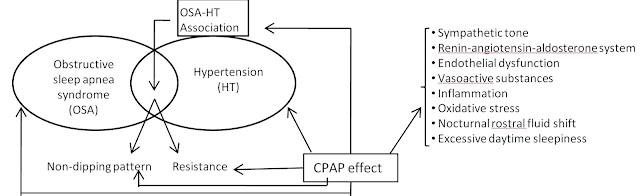
CURRENT RESPIRATORY MEDICINE REVIEWS - SLEEP APNEA AND COMORBIDITIES: Obstructive Sleep Apnea and Hypertension: A Bidirectional Causal Relation

We are happy to present you one of the articles from hot-topic issue of Current Respiratory Medicine Reviews dedicated to Sleep Apnea and comorbidities: Obstructive Sleep Apnea and Hypertension: A Bidirectional Causal Relation written by our Greek Friends Victoria Chatzimavridou-Grigoriadou, Alexander G. Mathioudakis, Alexandru Corlateanu, Georgios A. Mathioudakis and Efstathia Evangelopoulou.
http://benthamscience.com/journals/current-respiratory-medicine-reviews/article/134911/

Abstract of the article:
This proposed hot-topic issue of Current Respiratory Medicine Reviews is an update on the assessment of the main comorbidities and management of patients with OSAS and comorbidities (hypertension, obesity, diabetes, stroke, heart failure, COPD, chronic kidney disease). 
https://www.facebook.com/events/1204170916263803/

Friday, October 23, 2015

CURRENT RESPIRATORY MEDICINE REVIEWS - SLEEP APNEA AND COMORBIDITIES: Relation between Obstructive Sleep apnea Syndrome and Resistant Hypertension - the Tip of the Iceberg

We are happy to present you one of the articles from hot-topic issue of Current Respiratory Medicine Reviews dedicated to Sleep Apnea and comorbidities: Relation between Obstructive Sleep apnea Syndrome and Resistant Hypertension - the Tip of the Iceberg written by our Romanian Friends Oana Claudia Deleanu, Ana-Maria Nebunoiu, Miruna Mihaela Micheu, Andra Elena Malaut and Florin Dumitru Mihaltan.
http://benthamscience.com/journals/current-respiratory-medicine-reviews/article/134912/

Abstract of the article:
This proposed hot-topic issue of Current Respiratory Medicine Reviews is an update on the assessment of the main comorbidities and management of patients with OSAS and comorbidities (hypertension, obesity, diabetes, stroke, heart failure, COPD, chronic kidney disease). 
https://www.facebook.com/events/1204170916263803/